
Commercial property owners and tenants in Reno often begin projects with a general idea of what they want to change. But as soon as planning starts, the terms remodel, renovation, and tenant improvement get used interchangeably. This creates confusion that directly affects budgets, permitting paths, schedules, and expectations. Many business owners have learned the hard way that mislabeling a project leads to costly surprises, unmet timelines, and designs that don’t align with city requirements.
After decades in commercial construction across Reno and Sparks, Stryker Construction has seen this pattern repeat. The solution begins with defining the project correctly from the start. Understanding whether the work qualifies as a tenant improvement or a full commercial remodel sets the stage for accurate pricing, realistic schedules, and clean coordination with landlords and city departments. Choosing the right category prevents wasted money and directs the entire project toward a predictable outcome.
Understanding the True Difference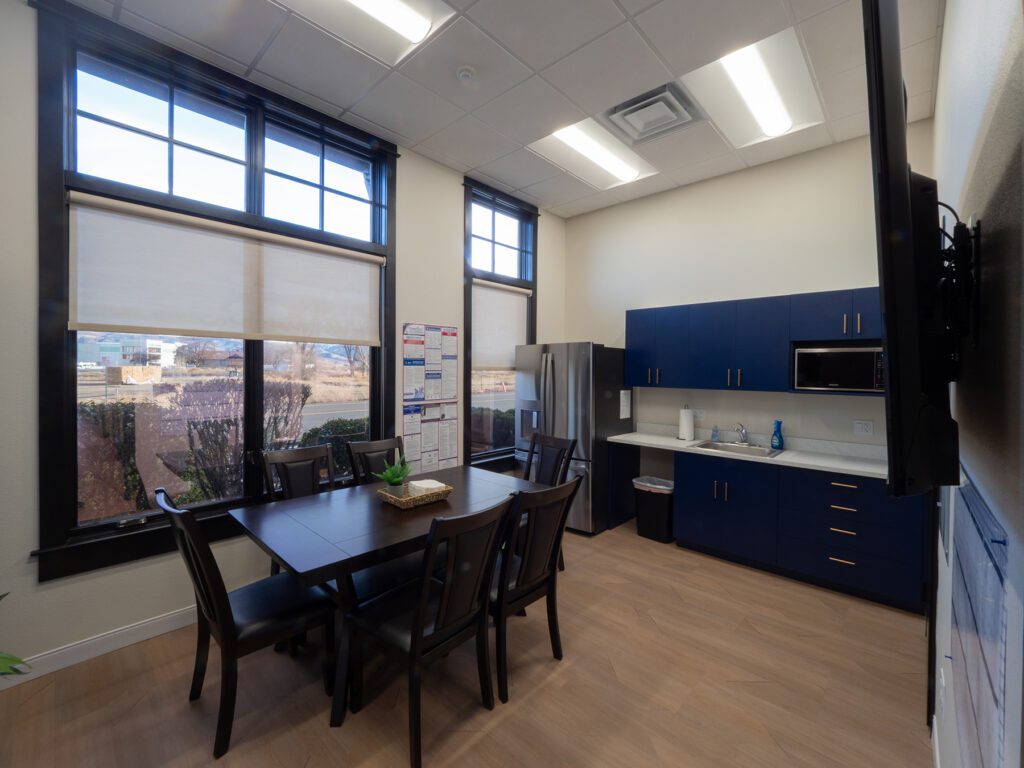
Tenant improvements, often referred to as TIs, focus on upgrading the interior of a leased space to match the tenant’s operational needs. These changes typically include new partitions, flooring, paint, ceilings, lighting, data lines, break rooms, and restroom enhancements. They rarely involve structural alterations, major mechanical overhauls, or full-building adjustments. A standard TI example in Reno might involve transforming a basic office suite into a branded workspace with private offices, upgraded LED lighting, and new finishes. Retail spaces in local shopping centers often fall into this category as well, especially when work focuses on flooring, fixtures, checkout layouts, and basic restroom updates.
Full commercial remodels go much deeper. These projects modify structure, life-safety systems, mechanical upgrades, electrical service expansions, major plumbing changes, or large-scale reconfigurations. Restaurants converting in Reno almost always require full remodels because of the extensive plumbing for sinks and drains, grease waste requirements, walk-in refrigeration, hood systems, and upgraded HVAC. Medical and dental offices have similar demands because they require specialized electrical loads, dedicated mechanical zoning, radiation shielding, or sterilization rooms. These projects demand more coordination, additional inspections, longer approval timelines, and higher budget ranges.
The key difference is scope. Tenant improvements modify the existing interior without changing the building’s essential systems or structure. Full remodels transform the space fundamentally. Remodeling contractors Reno NV who understand these distinctions can guide owners toward the correct path early, preventing inflated costs and timeline shocks that stem from misclassification.
Why Proper Classification Matters
Accurate classification determines how the project progresses from day one. If a tenant assumes a project is a simple TI but it actually requires mechanical upgrades, structural modifications, or an electrical panel expansion, the bid will be unrealistic and the schedule will collapse once construction begins. Conversely, assuming a project is a full remodel when it only needs TI-level work inflates costs unnecessarily and extends planning time without benefit.
Stryker Construction has seen retail tenants overspend by overestimating their scope, believing they needed structural overhauls when the space only required cosmetic and functional improvements. The reverse scenario is even more costly. Restaurant tenants, for example, often underestimate the complexity of transforming a retail shell into a commercial kitchen. When this misalignment happens, HVAC loads, fire suppression, health department requirements, and grease management systems can multiply costs beyond the tenant’s expectations.
Experienced remodeling contractors Reno NV make sure this doesn’t happen. Stryker Construction evaluates the space, the intended business use, the building’s existing systems, and the local codes to classify the project accurately. This early clarity aligns budgets, guides design decisions, and avoids rework during permitting.
Practical Differences in Scope and Cost
Tenant improvement projects typically stay within defined boundaries. Walls may shift, ceilings may be reconfigured, lighting may be updated, and finishes upgraded. Plumbing changes often remain minimal. Electrical adjustments tend to relate to lighting or outlets rather than panel expansions. Because the work stays inside these predictable categories, TIs generally have more consistent pricing, shorter schedules, and fewer inspection stages.
Full commercial remodels deal with uncertainties from the start. Major plumbing relocations may require trenching concrete floors. Mechanical systems might need complete redesigns to meet ventilation or heating/cooling demands. Electrical systems often need new panels or service upgrades. Structural improvements can include new beams, framing corrections, roof penetrations, or seismic adjustments. These layers expand both the cost and the timeline. They also introduce more inspection steps and require coordination with engineers, landlords, and city departments.
Understanding these practical distinctions ensures owners budget correctly. Remodeling contractors Reno NV like Stryker Construction protect clients from common mistakes by mapping every component of the project before providing pricing. When the scope is defined from the beginning, budgets remain predictable.
How Lease Terms, Allowances, and Landlord Requirements Influence Costs
Tenant improvement projects depend heavily on lease agreements. Landlords may dictate materials, finishes, construction hours, and storefront guidelines. They may also provide TI allowances that cover part of the cost. However, these allowances typically apply only to interior finishes or limited upgrades, not structural changes or code-driven requirements.
Tenants often misunderstand these allowances. They assume the landlord’s contribution will cover most of the project, only to learn later that key components fall outside the allowance scope. Mechanical upgrades, electrical panel improvements, HVAC replacements, and ADA compliance rarely qualify for allowance funding. Without early clarification, tenants face unexpected costs that strain their operating budgets.
Stryker Construction reviews leases with clients before design and pricing begin. This review identifies what the landlord pays for, what falls on the tenant, and what the approvals process looks like. When remodeling contractors Reno NV understand the landlord’s requirements from day one, they eliminate costly misunderstandings. Aligning scope with lease obligations allows the contractor to produce transparent bids and eliminate low-ball proposals that hide significant extras.
Permitting and Inspections: How Reno’s Process Shapes the Timeline
Permitting requirements differ dramatically between tenant improvements and full remodels. TI permits commonly include electrical updates, limited plumbing modifications, or non-structural framing. The review process is typically quicker, and inspections focus on specific trades rather than the entire building.
Full remodel permits demand a deeper evaluation. Projects involving use changes, significant mechanical systems, structural modifications, or extensive plumbing shifts undergo longer review and require multiple engineered drawings. Inspections occur at every stage, from underground plumbing to framing, rough mechanical, electrical, and fire systems. Failure at any stage delays the entire timeline.
The City of Reno and Washoe County enforce strict sequencing rules, and inspection availability can affect how quickly construction progresses. Seasoned remodeling contractors Reno NV build their schedules around this reality. Stryker Construction coordinates trades to ensure every stage is ready for inspection without downtime. This reduces re-inspection fees, prevents bottlenecks, and keeps the project on track.
Timeline, Disruption, and What Businesses Should Expect
Tenant improvement timelines are generally shorter because the work is confined to interior upgrades and predictable tasks. Businesses moving into standard office, retail, or service spaces often benefit from phased schedules that limit operational disruption. Some TIs allow partial occupancy while construction continues in unused areas.
Full remodels require more substantial downtime. Complex MEP work, structural improvements, concrete cutting, or life-safety upgrades may make the space unusable until major stages are completed. These projects demand more coordination with vendors, inspectors, and landlords. The timeline expands, but the outcome transforms the space entirely.
Stryker Construction understands that every day lost affects revenue. Their project sequencing reduces downtime by smoothing transitions between trades, preparing inspection-ready stages, and identifying potential roadblocks early.
Predictability Through Experience
Experience remains the greatest cost saver in commercial construction. Stryker Construction’s decades in the region allow them to anticipate mechanical challenges, identify hidden issues during walkthroughs, recognize the needs of specific business types, and provide accurate preconstruction guidance. Their approach prevents the most common pitfalls: misclassified scopes, underpriced bids, unrealistic schedules, and surprise city requirements.
Accurate classification, detailed scoping, landlord coordination, tenant allowance alignment, disciplined scheduling, and clean communication form the foundation of every successful project. Stryker Construction has completed more than 75 commercial remodels and tenant improvements in the past several years across Reno and Sparks, demonstrating consistent, predictable outcomes for clients.
Business owners seeking remodeling contractors Reno NV benefit from a partner who understands the nuances of the region, the demands of commercial tenants, and the expectations of local jurisdictions.
For realistic pricing, a clear scope, and a tailored construction plan, call Stryker Construction at 775-359-1631. Their team will help you determine whether your project is a tenant improvement or a full commercial remodel.


